Built from saved Celanese detail pages / SWPNC internal product detail

Rynite PET

Rynite PET

Polyethylene Terephthalate

Rynite Thermoplastic Polyester (PET) resins with distinctive crystallization characteristics provide outstanding physical properties and superior thermal and chemical resistance with the ability to support higher temperature exposure.

Overview

Product overview

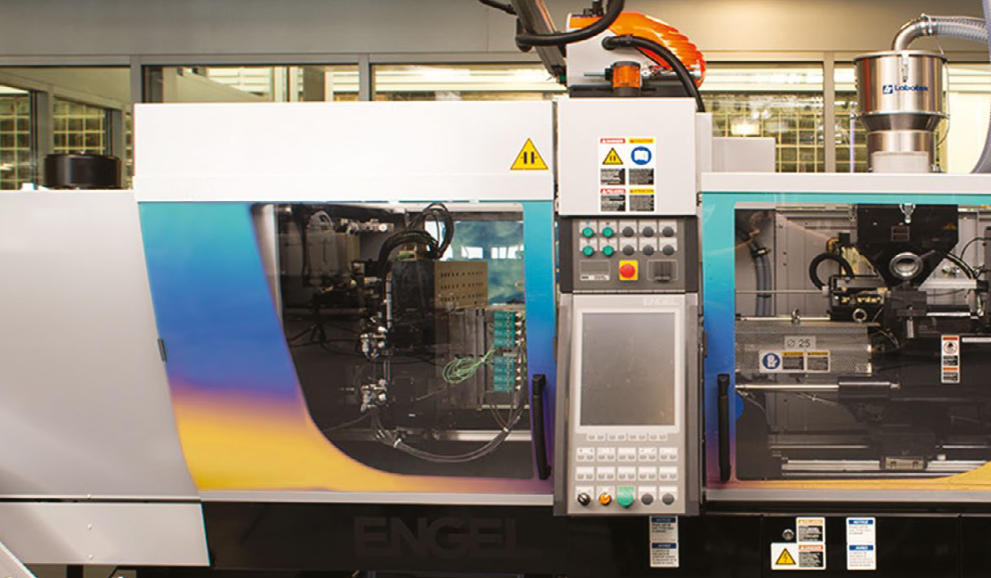
What is Rynite PET?Semicrystalline injection molded PET, commonly known as Polyethylene Terephthalate, is a polymer that offers the right solution for a variety of special applications. For general Polyethylene Terephthalate injection-molding applications, well-crystallized parts are preferred to minimize post-molding shrinkage and deformation. This objective is achieved by the use of appropriate nucleating and plasticizing agents, leading to fast cycling, typically glass-reinforced and/or mineral-filled materials. PET compounds of this type offer high strength, good impact resistance, high-temperature tolerance and the ability to withstand a broad range of chemicals. To learn more about Rynite PET polymers including product uses or applications contact Celanese , a leading Polyethylene Terephthalate manufacturer, today.

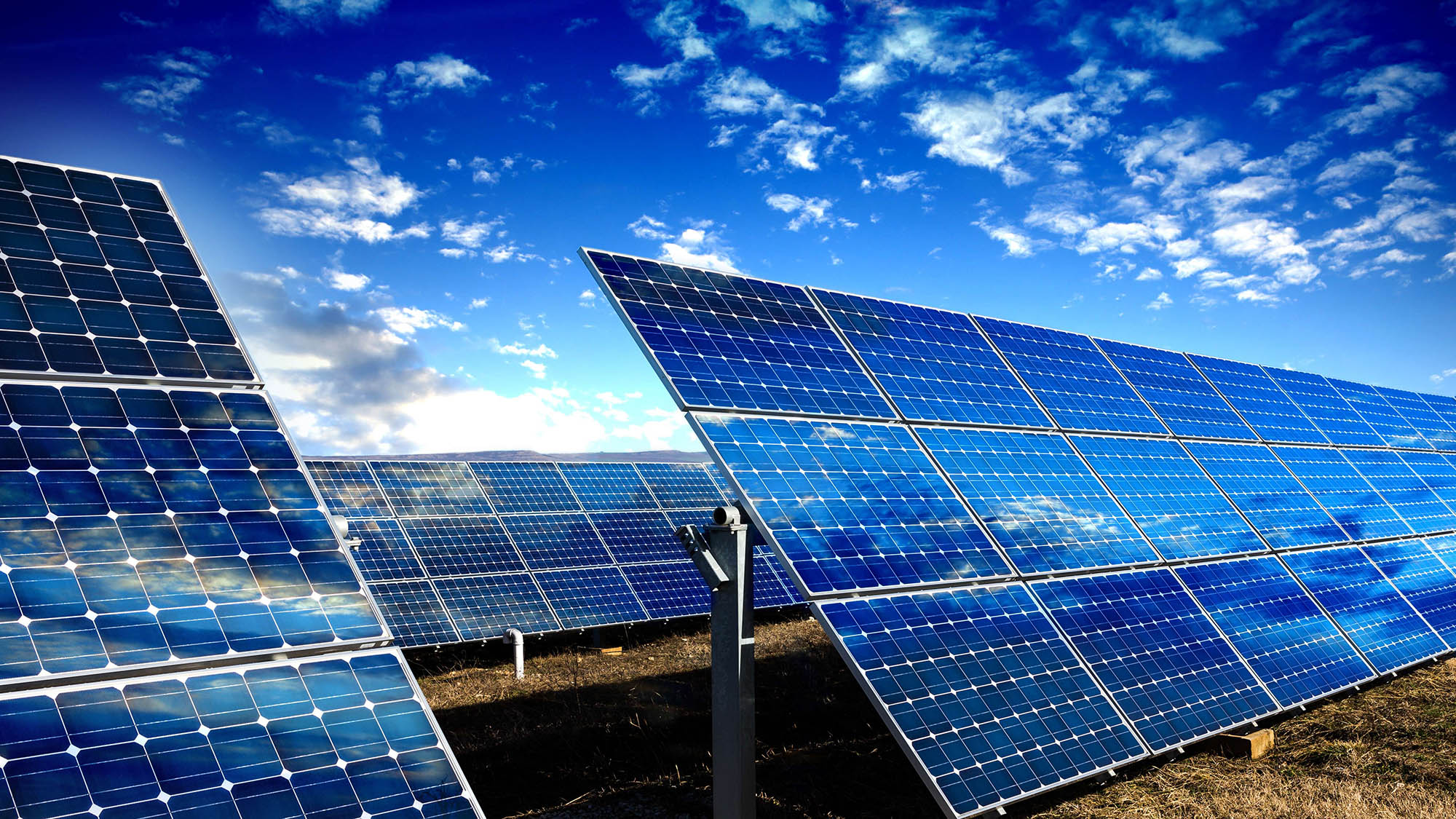
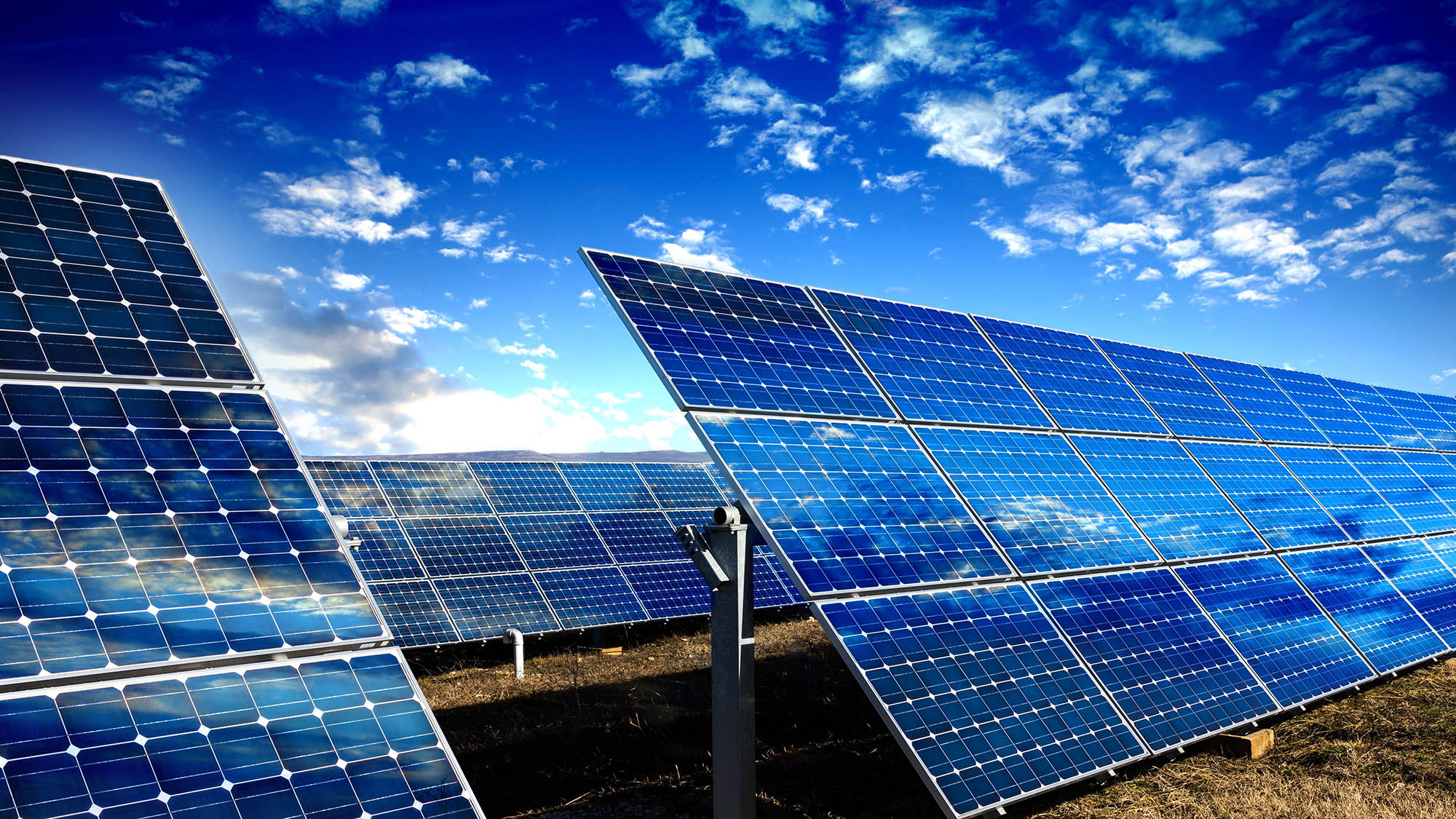
Featured polyethylene terephthalate grades Why Rynite PET?With its lightweight, glass-reinforced composition, dimensional stability, durability and high-gloss finish, Rynite PET is preferred across a wide range of applications, particularly as a replacement of die-cast metals and thermosets. It offers superior flow characteristics as well, which means it fills complex, thin-walled molds with less injection pressure than is needed with other resins—a big advantage in the miniaturization of parts. Typical Rynite PET applications tend to be either in electrical parts, where the excellent insulation properties of the base resin are important, or in large auto body parts such as grille opening panels - where high filler loadings provide high stiffness and creep resistance at elevated temperatures. It helps make electrical devices, photovoltaic panels, switches and other critical energy components stronger and reliable. It’s one big reason why Celanese offers the industry’s largest portfolio of pre-approved Underwriters Laboratories (UL), Electrical Insulation Systems (EIS) and recognized to IEC standards products.

Properties

Properties and processing

Properties of Polyethylene Terephthalate

  • Very good electrical performance at high temperature and in humid environment
  • Pre-authorized in EIS system, UL class N 200°C
  • Service temperature to 155°C
  • High heat-distortion temperature (HDT to 235°C)
  • Very rigid and strong
  • High chemical resistance and weathering resistance

Technical Attributes

  • Glass reinforced
  • Mineral reinforced
  • Flame retardant
  • Toughened
  • Renewable sourced

Processing

  • Injection molding

Advantages

Electrical Performance

Good electrical properties, dielectric properties and UL EIS preapproved grades available.

Thermal Resistance
Thermal Resistance

High heat distortion temperature up to 235°C under load and continuous use temperature (RTI) up to 155°C.

Structural Strength
Structural Strength

Stiffness and high strength under high temperatures.

Flame Retardancy
Flame Retardancy

Excellent compromise flame retardancy and strength with UL94 V0 down to 0.35mm.

Sustainability

Key applications

Automotive Lighting Brackets Automotive Roof Racks Windshield Wiper Blades Ignition Components Brake Booster Valve Body Electrical Bobbins and Switches Encapsulated Motors Printer Components Contactor Housing

Automotive Lighting Brackets
Automotive Roof Racks
Windshield Wiper Blades
Ignition Components
Brake Booster Valve Body
Electrical Bobbins and Switches
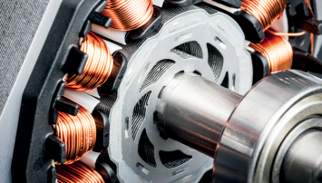
Encapsulated Motors
Printer Components
Contactor Housing

Grades

Polyethylene Terephthalate grade list

Explore and compare all Polyethylene Terephthalate grades.

Resources

Brochures and reference materials

The materials in this section are organized for reference based on publicly available Celanese Corporation materials. Copyright and trademark rights belong to the respective rights holders, and the latest versions and official usage terms should be confirmed on the official Celanese page.

Cross section of small electrical cables.
A group of workers laying asphalt.
Contactor-Housing
Thermal-Resistance