

Built from saved Celanese detail pages / SWPNC internal product detail

Acetic Anhydride

Acetic Anhydride

The most common use for acetic anhydride is as a raw material for cellulose acetate fibers and plastics. It is widely used as an acetylating agent or in chemical synthesis. Acetic anhydride is also a key raw material for aspirin, acetaminophen and other pharmaceuticals manufacturing.
Overview

Product overview

Acetic Anhydride is widely employed for its acetylating and dehydrating properties across the food & beverage and manufacturing industries.

What is Acetic Anhydride?Acetic Anhydride is a clear liquid with a pungent, penetrating vinegar-like odor. It is completely miscible with diethyl ether and can be easily dissolved in the usual organic solvents. Acetic Anhydride also reacts with alcohols and is an excellent solvent for numerous organic and inorganic products.

Why Acetic Anhydride?A major benefit of using acetic anhydride is its acetylation ability of cellulose properties which is needed to produce acetate fibers, plastics, coatings, and films. It is especially valuable for the direct esterification of alcohol where acetic acid cannot be used. Another large use for acetic anhydride is in the manufacture of acetylsalicylic acid (aspirin), acetylcholine hydrochloride, acetophenacetin, sulfonamides, aceto-p-aminophenol, cortisone, acetanilide, theophylline, sulfa drugs, certain vitamins, and hormones, and many other pharmaceuticals and pharmaceutical intermediates. For more information and about acetic anhydride and its use in your product, please contact Celanese today.

Properties

Properties and processing

Properties

  • Clear, colorless liquid
  • Pungent, vinegar-like odor
  • Key raw material in pharmaceuticals, detergents and food ingredients

Sustainability

Resources

Brochures and reference materials

The materials in this section are organized for reference based on publicly available Celanese Corporation materials. Copyright and trademark rights belong to the respective rights holders, and the latest versions and official usage terms should be confirmed on the official Celanese page.

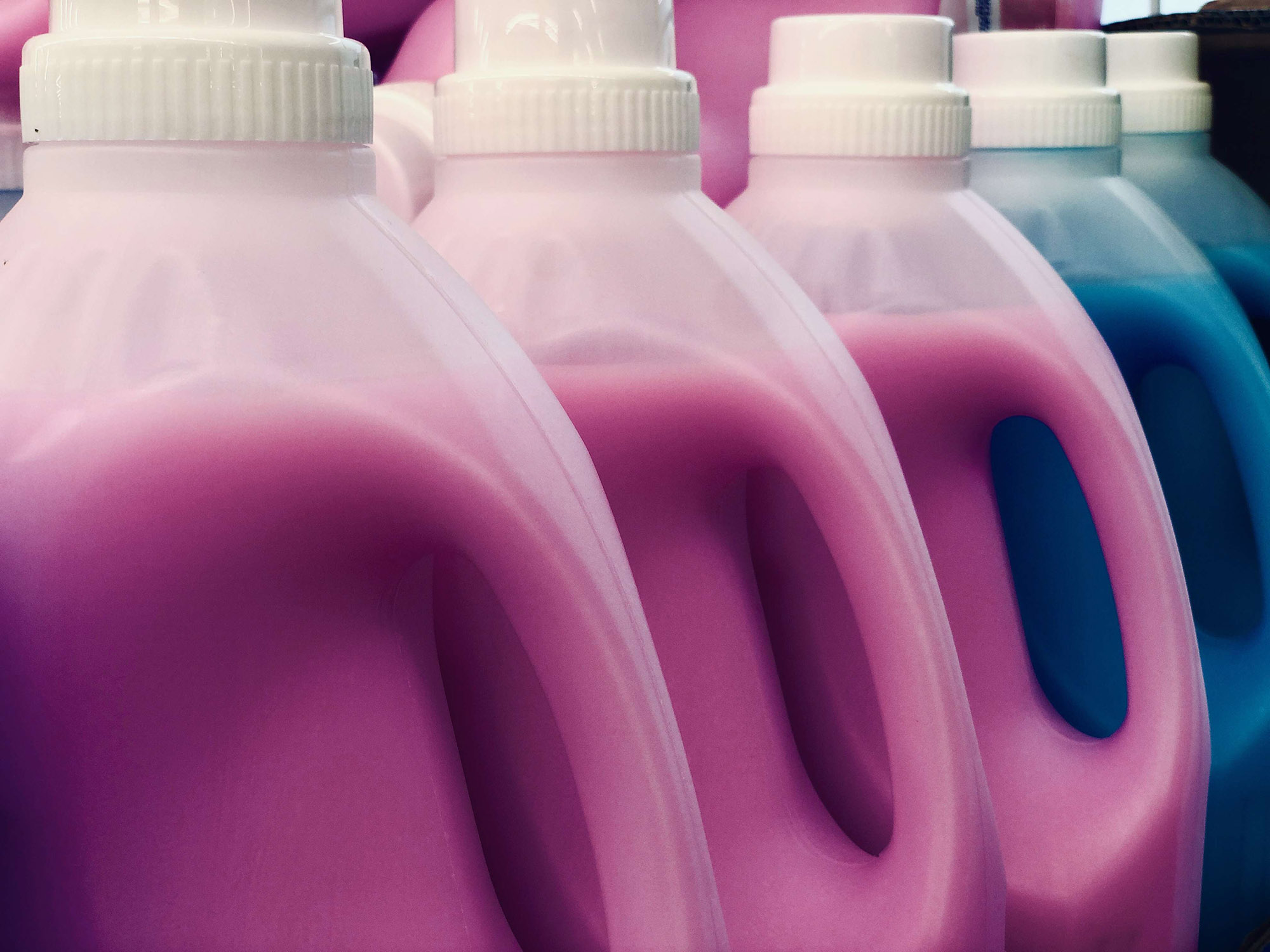
Different colored laundry detergents in plastic bottles.
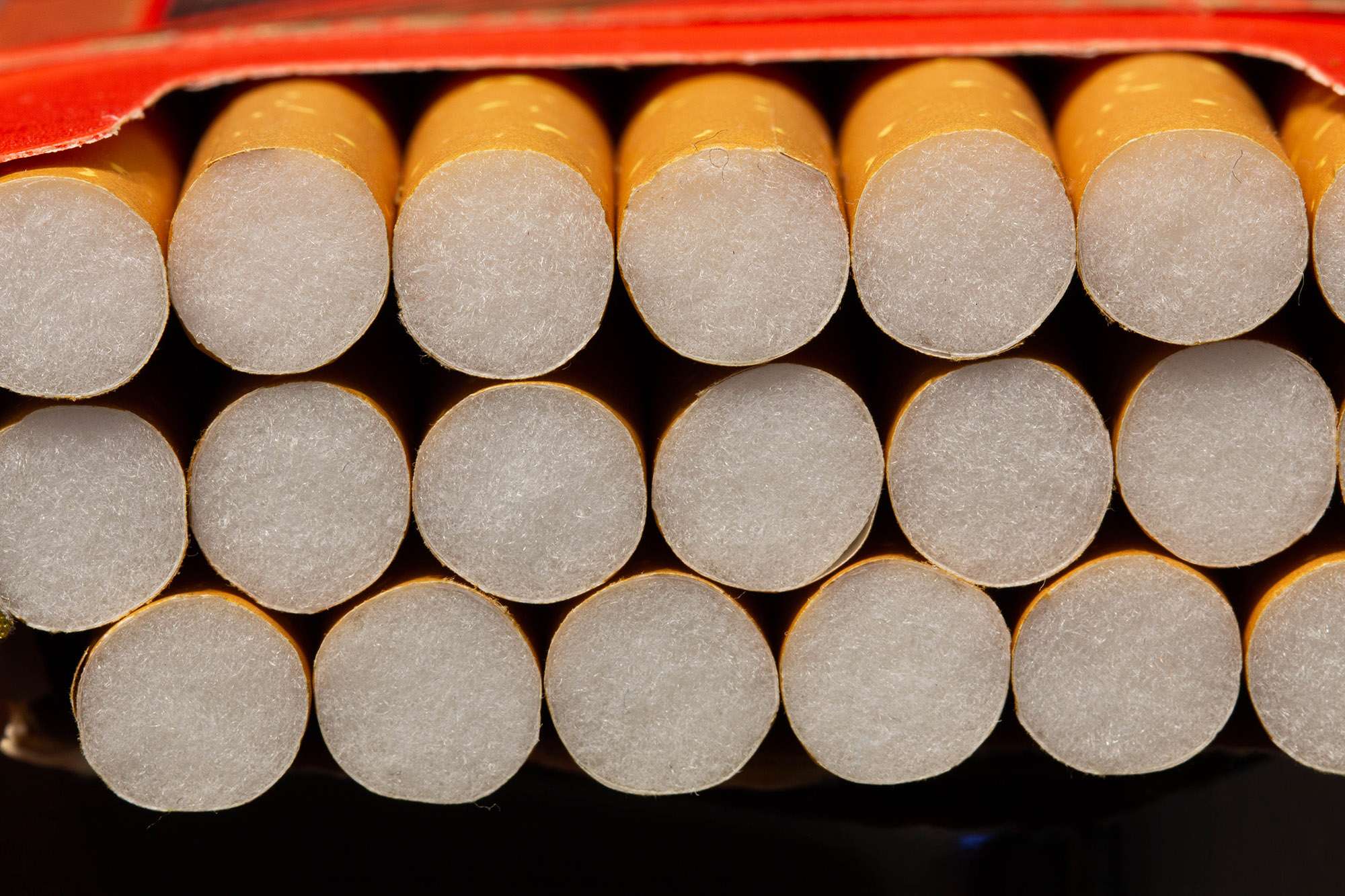
Stacks of cigarettes filters.